

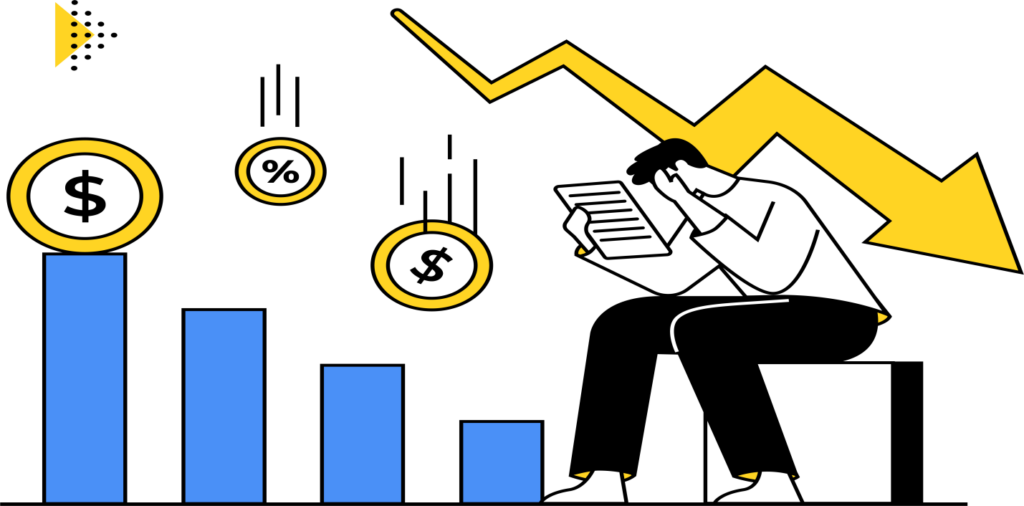
E-commerce is more competitive than ever in 2025–26. Shoppers have endless choices, expect instant results, and have very little patience. A single poor experience can push a potential customer straight to a competitor.
Many e-commerce businesses invest heavily in SEO, paid ads, and social media marketing, yet still struggle with low conversion rates. The core issue is not traffic—it’s the experience. Customers arrive on the website but leave before completing a purchase.
At Digitechnique, we often review e-commerce sites and notice the same problems costing brands money. Knowing what’s going wrong is the first step to fixing it. Here are eight main reasons e-commerce sites lose customers in 2025–26 and how to solve them.
1. Slow Website Speed and Performance Issues
Website speed is no longer optional—it’s a basic expectation.
Even a few-second delay can cause visitors to abandon your site, especially on mobile devices. Large image files, unoptimized scripts, and low-quality hosting often slow sites down.
Why this matters:
- Customers associate fast websites with professionalism and trust.
- Search engines prioritize fast-loading pages.
- Slow performance increases bounce rates significantly.
Actionable Tip:
Compress your images, clean up your code, choose a reliable host, and use a content delivery network (CDN). Regularly check your site’s speed to catch problems early.
2. Complicated Navigation and Poor User Experience
If people can’t find what they want quickly, they’ll leave your site.
Crowded menus, unclear categories, and messy layouts frustrate users and disrupt their shopping experience.
Common mistakes include:
- Too many product categories
- Missing or ineffective filters and search tools
- Confusing page structures
Actionable Tip:
Build your navigation to match how customers shop. Make sure people can find important products in just two or three clicks.
3. Lack of Trust Signals and Social Proof
Shoppers in 2025–26 are more careful and do more research before buying.
If your site doesn’t show reviews, testimonials, secure checkout signs, or clear policies, visitors might not feel comfortable buying.
Trust elements customers expect:
- Verified customer reviews
- Transparent return and refund policies
- Secure payment badges
- Clear business information
Actionable Tip:
Show real customer feedback clearly and make sure your policies are easy to find and simple to read.
4. Poor Mobile Optimization
Most people now shop online using their phones, but many e-commerce sites still don’t work well on mobile.
Problems like slow loading, tiny buttons, and complicated checkouts on mobile can hurt your sales.
Why mobile matters:
- A majority of users browse and buy on smartphones.
- Search engines favor mobile-friendly websites.
- Poor mobile UX directly lowers conversion rates.
Actionable Tip:
Check your website on different devices and screen sizes. Make sure layouts, buttons, and checkout steps work well for mobile shoppers.
5. Complicated or Lengthy Checkout Process
A complicated checkout is still one of the main reasons people abandon their carts.
People leave if they have to create an account, fill out too many forms, or go through too many steps to buy something.
Checkout friction often includes:
- Mandatory account creation
- Excessive form fields
- Hidden shipping or tax costs
Actionable Tip:
Let customers check out as guests, keep forms short, and show all costs early to make buying easier.
6. Weak Product Descriptions and Visuals
Online shoppers depend on what they can see and read about a product.
If your descriptions are generic, your images are poor, or details are missing, customers may feel unsure and less likely to trust your site.
High-performing product pages include:
- Clear, benefit-focused descriptions
- High-resolution images from multiple angles
- Size guides, specifications, and FAQs
Actionable Tip:
Write product descriptions that answer common customer questions and show how your product helps or adds value.
7. Inconsistent Pricing and Hidden Costs
Surprise costs at checkout can quickly make customers lose trust.
Shoppers feel misled if prices go up at the last minute because of shipping, taxes, or extra fees.
Why pricing transparency matters:
- Customers compare prices across platforms.
- Hidden costs increase cart abandonment.
- Clear pricing builds long-term brand trust.
Actionable Tip:
Show the full price as soon as you can. Being clear about costs helps boost sales and builds trust in your brand.
8. Lack of Personalization and Engagement
Today’s online shoppers expect a shopping experience that feels personal to them.
If you show everyone the same products and deals, you miss out on connecting with their personal interests and shopping habits.
Missed personalization opportunities include:
- No product recommendations
- No tailored offers or promotions
- Generic email follow-ups
Actionable Tip:
Use what you know about your customers to suggest products they’ll like, personalize your emails, and send offers based on what they’ve browsed or bought before.
Conclusion: Turn Lost Visitors into Paying Customers
To succeed in e-commerce in 2025–26, you need more than just website traffic. A great experience, trust, clear information, and easy use are what turn visitors into customers.
Fixing these eight problems can help keep more customers and boost your sales. At Digitechnique, we’ve seen that even small changes in speed, user experience, and personalization can lead to real growth.
FAQs: E-commerce Websites and Customer Loss
Q. Why are e-commerce websites losing customers in 2025–26?
Customer expectations have evolved. Speed, simplicity, trust, and personalization now drive purchasing decisions.
Q. What is the biggest reason for cart abandonment?
A complicated checkout process combined with unexpected costs.
Q. How important is mobile optimization for e-commerce?
Extremely important. Most online shopping now happens on mobile devices.
Q. Can improving user experience increase sales?
Yes. A smoother experience directly improves conversion rates and customer loyalty.
Call to Action
If your e-commerce site gets visitors but not enough sales, now is the time to act. Check your site, fix any problems, and build an experience your customers can trust and enjoy.
Digitechnique works with e-commerce brands to find weak spots, improve performance, and turn missed opportunities into steady sales.